


METHYL-D3-AMINE HYDROCHLORIDE CAS NO.7436-22-8 refers to a special chemical compound. Scientists use it because it contains deuterium, a heavier form of hydrogen. This compound acts as an important building block in chemical synthesis. Many researchers and industry professionals value it for its unique properties. Its structure and labeling help experts track chemical reactions and study new materials.
Key Takeaways
- METHYL-D3-AMINE HYDROCHLORIDE is a valuable chemical compound used in research and industry due to its unique properties.
- The compound contains deuterium, a heavier form of hydrogen, which helps scientists track chemical reactions effectively.
- Proper storage is crucial; keep the compound in airtight containers and away from moisture to maintain its quality.
- Safety precautions are important when handling this compound; always wear protective gear and work in a well-ventilated area.
- METHYL-D3-AMINE HYDROCHLORIDE plays a key role in drug development, improving the stability and effectiveness of medicines.
What is METHYL-D3-AMINE HYDROCHLORIDE CAS NO.7436-22-8?
Chemical Structure and Formula
METHYL-D3-AMINE HYDROCHLORIDE CAS NO.7436-22-8 is a small organic molecule. Chemists describe its structure using a molecular formula. This formula shows the types and numbers of atoms in the compound. The table below lists the most common ways to write the formula and the molecular weight:
| Molecular Formula | Molecular Weight |
|---|---|
| CH2D3N.ClH | 70.54 |
| CD3NH2·HCl | 70.54 |
| CH6N*Cl | 70.54 |
The formula tells scientists that the compound contains carbon, nitrogen, chlorine, and deuterium atoms. Deuterium is a special form of hydrogen. The molecular weight helps researchers measure and use the compound in experiments.
Isotopic Labeling and Deuterium
This compound stands out because it contains deuterium atoms. Deuterium is heavier than regular hydrogen. Scientists call this process “isotopic labeling.” They use isotopic labeling to track molecules during chemical reactions. This helps them understand how reactions work.
Many researchers use METHYL-D3-AMINE HYDROCHLORIDE CAS NO.7436-22-8 to make other deuterated chemicals. These chemicals play a big role in medicine and science. For example, the table below shows one important application:
| Application | Description |
|---|---|
| Preparation of deuterated diphenylurea derivatives | Used as phosphokinase inhibitors |
Deuterated compounds can behave differently from regular ones. Scientists study these differences to improve medicines and learn more about biology.
A recent scientific publication described a new way to measure tiny amounts of impurities in d3-methylamine hydrochloride. The study used a special method called FTIR spectroscopy. This research shows that interest in deuterated drugs is growing. These drugs may offer benefits in how the body processes and uses medicines.
CAS Number Significance
Every chemical has a unique number called a CAS number. The CAS number for this compound is 7436-22-8. This number helps scientists and companies find and order the exact chemical they need. It also prevents confusion with similar compounds.
The CAS number 7436-22-8 identifies trideuteriomethanamine hydrochloride. This compound acts as a source of deuterium. Chemists use it to make other deuterated intermediates. These intermediates are important in making new medicines, such as Deucravacitinib. The CAS number makes it easy to track and use this compound in research and industry.
Tip: Always check the CAS number when buying or studying chemicals. This ensures you get the right substance for your work.
Physical and Chemical Properties
Appearance and Hygroscopic Nature
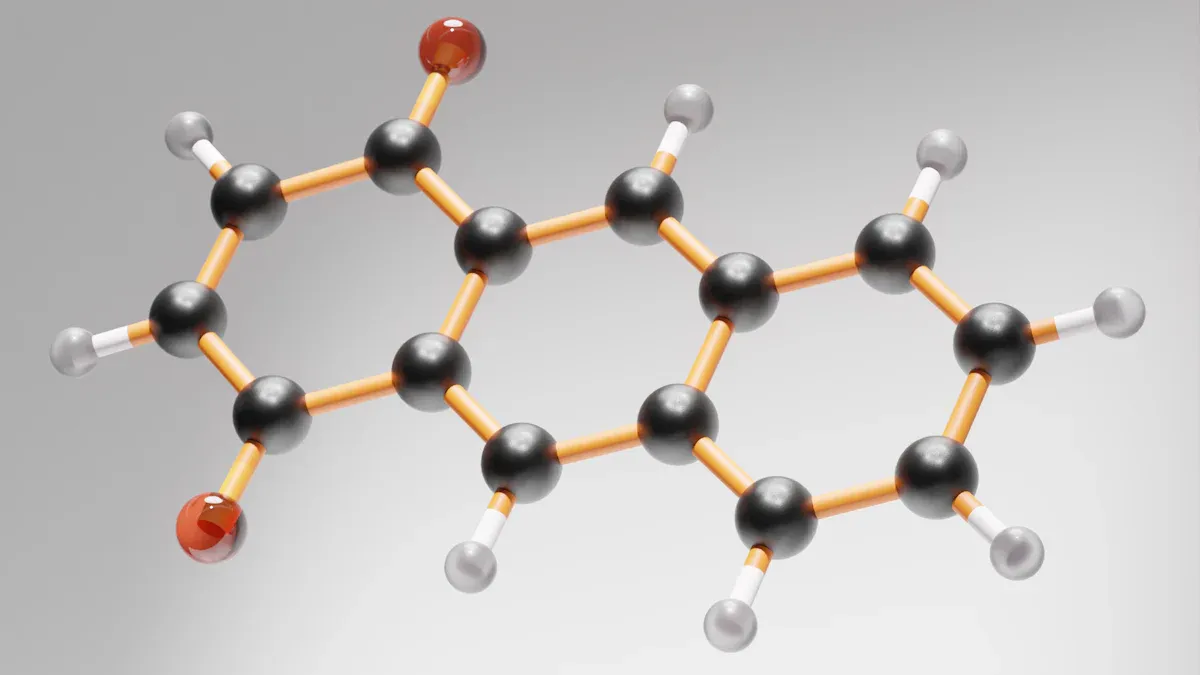
METHYL-D3-AMINE HYDROCHLORIDE CAS NO.7436-22-8 appears as a white to off-white solid. The compound often comes in a crystalline or powder form. It has a molecular weight of about 70.54 grams per mole. This chemical is hygroscopic, which means it can absorb moisture from the air. When left exposed, it may clump together or become sticky. Scientists store it in tightly sealed containers to keep it dry and stable.
Note: Hygroscopic materials need careful storage. Keeping them away from humidity helps maintain their quality.
Melting Point and Solubility
This compound melts at a temperature between 230°C and 235°C. The high melting point shows that it has a stable structure. Solubility describes how well a substance dissolves in different liquids. The table below shows how METHYL-D3-AMINE HYDROCHLORIDE CAS NO.7436-22-8 behaves in common solvents:
| Solvent | Solubility Level |
|---|---|
| Water | Slightly |
| DMSO | Soluble |
| Methanol | Soluble |
The compound dissolves easily in DMSO and methanol. It only dissolves a little in water. This property helps scientists choose the right solvent for experiments or chemical reactions.
Nucleophilic and Reactivity Features
METHYL-D3-AMINE HYDROCHLORIDE CAS NO.7436-22-8 acts as a nucleophile. A nucleophile is a molecule that donates electrons to other chemicals during reactions. This property makes it useful in many types of chemical synthesis. When the compound reacts, it can attach to other molecules and help build more complex structures. Chemists use nucleophilic compounds like this one to create new materials, medicines, and research tools.
Nucleophilic behavior matters because it allows the compound to take part in important reactions. For example, it can help form bonds with carbon atoms in other molecules. This ability makes it a valuable building block in organic chemistry.
Uses and Applications
Role in Chemical Synthesis
Chemists use METHYL-D3-AMINE HYDROCHLORIDE CAS NO.7436-22-8 as a key intermediate in many reactions. The presence of deuterium in this compound makes it very valuable in synthetic chemistry. Deuterium changes how molecules behave and helps scientists create new materials. Some important benefits include:
- Improved pharmacokinetic properties, which means drugs stay in the body longer.
- Enhanced pharmacodynamic properties, so drugs can work better.
- Increased stability of drug molecules, making them less likely to break down.
- Reduced metabolism, which helps drugs last longer in the body.
- Increased bioavailability, so more of the drug reaches its target.
Researchers also use this compound to make deuterated drugs. These drugs can show better effects and stability compared to regular drugs. Recent advancements show that METHYL-D3-AMINE HYDROCHLORIDE CAS NO.7436-22-8 helps scientists synthesize new molecules in laboratories. It also improves the accuracy of chemical analysis through deuterium labeling.
Importance in Research
Many research fields rely on this compound for isotopic labeling studies. Scientists use it to track how molecules move and change during experiments. The table below shows where researchers use this compound and why it matters:
| Research Field | Application |
|---|---|
| Pharmaceutical Research | Essential reagent for labeling and tracing |
| Chemical Synthesis | Used in isotopic labeling studies |
| Medicinal Chemistry | Enhances stability and precise isotopic substitution |
| Analytical Applications | Supports various isotopic labeling techniques |
This compound supports drug development by enabling the creation of deuterated drugs. These drugs often have improved stability and effects in the body. Scientists also use it to study reaction pathways and understand how chemicals interact. The ability to label molecules with deuterium gives researchers a powerful tool for discovery.
Tip: Deuterium labeling helps scientists see small changes in chemical reactions that might be hard to notice otherwise.
Safety and Handling
Safe Storage Practices
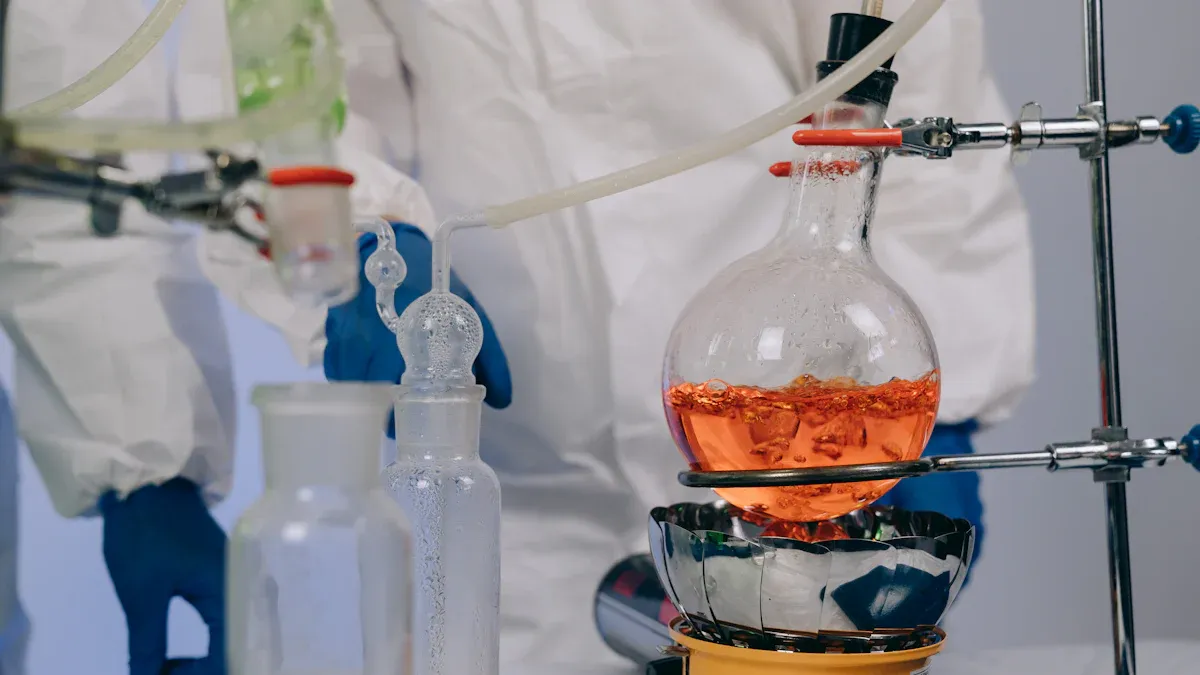
METHYL-D3-AMINE HYDROCHLORIDE CAS NO.7436-22-8 needs careful storage to keep it safe and effective. The compound absorbs moisture from the air because it is hygroscopic. Scientists store it in tightly sealed containers. They keep these containers in cool, dry places. Exposure to humidity can cause the powder to clump or lose quality.
Recommended Storage Tips:
- Use airtight glass or plastic containers.
- Store in a dry cabinet or desiccator.
- Keep away from direct sunlight and heat sources.
- Label containers with the chemical name and CAS number.
Note: Moisture can change the compound’s properties. Proper storage helps maintain purity and prevents waste.
The table below shows the best storage conditions:
| Storage Factor | Recommendation |
|---|---|
| Container Type | Airtight, non-reactive |
| Temperature | Room temperature |
| Humidity | Low |
| Light Exposure | Avoid direct sunlight |
Health Hazards and Precautions
Handling METHYL-D3-AMINE HYDROCHLORIDE requires attention to safety. The compound may cause irritation to the skin, eyes, or respiratory system. Scientists wear gloves, safety goggles, and lab coats when working with it. They avoid breathing in dust or fumes.
Safety Precautions:
- Wear protective gloves and goggles.
- Work in a well-ventilated area or use a fume hood.
- Wash hands after handling the compound.
- Do not eat, drink, or touch your face during use.
Alert: If the compound contacts skin or eyes, rinse with water and seek medical help if irritation continues.
Proper disposal is important. Scientists follow local regulations for chemical waste. They never pour leftover material down the drain.
By following these safety steps, researchers protect themselves and keep their work environment safe.
Methyl-d3-amine hydrochloride stands out as a deuterated compound with high purity and strong effectiveness in research. Scientists value its stable structure and nucleophilic properties. The table below shows how it compares to other deuterated compounds:
| Feature | Methyl-d3-amine hydrochloride | Other Deuterated Compounds |
|---|---|---|
| Purity | High | Varies |
| Effectiveness in Tracking | Excellent | Moderate to Good |
| Application in Drug Development | Significant | Limited |
| Analytical Technique Enhancement | Strong | Variable |
Safe handling and proper storage help maintain its quality and support important scientific work.
Post time: Feb-03-2026


