


A pharmaceutical intermediate is a chemical compound you use to create medicines. You find these compounds as raw materials or partially processed products. They often reach a certain level of purity before you use them to make the main ingredient in a drug. Pharmaceutical intermediates play a vital role in drug development. You will see their impact in real-world examples, such as the synthesis of important medications.
Key Takeaways
- Pharmaceutical intermediates are essential compounds used to create active pharmaceutical ingredients (APIs) in drug development.
- High purity and stability of intermediates are crucial for ensuring the safety and effectiveness of the final medicine.
- Understanding the differences between pharmaceutical intermediates and APIs helps you navigate drug manufacturing processes effectively.
- Managing impurities in intermediates improves the quality of the final product and meets regulatory standards.
- Choosing the right intermediates can accelerate drug development and lead to safer, more effective medicines.
What Is a Pharmaceutical Intermediate
Definition and Key Features
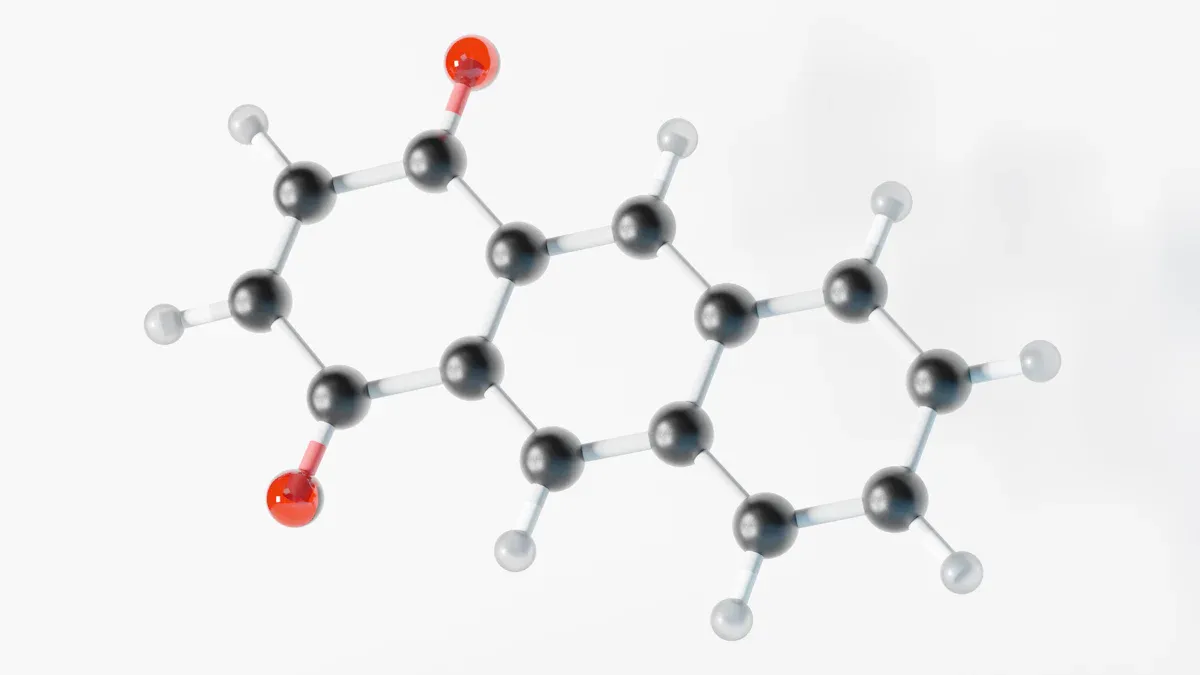
When you look at drug development, you see that a pharmaceutical intermediate is a compound that helps you build the final medicine. You do not use it directly as a drug, but it is essential for making the active ingredient. These compounds have special features that make them valuable in the lab and in manufacturing.
Tip: You should always check the key characteristics of any pharmaceutical intermediate before using it in your process. High purity and stability are crucial for safety.
Here is a table that shows the main chemical and physical characteristics you need to consider:
| Characteristic | Description |
|---|---|
| Purity | You need purity levels above 98% to ensure safety and effectiveness. |
| Consistency | Each batch must be uniform so your final product does not change. |
| Stability | The compound should stay stable under normal conditions to avoid breakdown. |
| Yield | High yields help you keep costs low and make more medicine. |
| Physical Properties | Crystal form and solubility affect how you handle and process the compound. |
| Safety & Environmental Impact | You want to use materials that are safe and do not create toxic byproducts. |
| Cost-effectiveness | Efficient production methods help you save money. |
Pharmaceutical intermediates come in many types. You can classify them by their chemical structure or by the type of reaction they help with. Here is a table that shows some common classifications and their uses:
| Classification Type | Examples | Applications |
|---|---|---|
| Heterocyclic Intermediates | pyridine, indole, benzimidazole | Used in drugs for the brain and infections |
| Amine Intermediates | fatty amines, aromatic amines | Needed for drugs that require an amino group |
| Chiral Intermediates | chiral amines, chiral acids | Important for making drugs with specific shapes |
| Halogenated Intermediates | chlorinated, brominated compounds | Used in reactions to build complex molecules |
| Condensation Intermediates | N/A | Help form amides, esters, and peptides |
You can see that each type of pharmaceutical intermediate has a special role in making different kinds of medicines.
Role in Drug Synthesis
You use pharmaceutical intermediates as building blocks in the multi-step process of making active pharmaceutical ingredients (APIs). These compounds help you carry out complex chemical changes in a controlled way. You can think of them as the framework that supports the final structure of the drug.
- You start with simple chemicals and use intermediates to guide each step.
- Intermediates help you simplify difficult reactions and keep quality high.
- You test each intermediate for purity, stability, and consistency to make sure your final medicine works well.
- Reliable intermediates help you reduce waste and lower costs.
- Standardized intermediates let you scale up production quickly when demand increases.
Note: The quality of your pharmaceutical intermediate affects the purity and effectiveness of the final drug. Impurities can cause unwanted side effects, so you must use strict quality control.
Some common examples of intermediates you might use include:
- Amino acid derivatives for making peptide drugs.
- Chiral alcohols and amines for reactions that need specific shapes.
- Aromatic halides for building complex chemical structures.
- Carboxylic acid derivatives for coupling reactions.
- Heterocyclic intermediates for drugs that need nitrogen-containing rings.
When you choose the right pharmaceutical intermediate, you make the synthesis process smoother and safer. You also help ensure that the medicine you produce meets high standards for quality and safety.
Intermediates vs. APIs
Main Differences
When you look at drug manufacturing, you will see two important terms: pharmaceutical intermediates and active pharmaceutical ingredients (APIs). These two play different roles in making medicine. You need to know how they differ to understand the drug development process.
Here is a table that shows the main differences between APIs and pharmaceutical intermediates:
| Aspect | Active Pharmaceutical Ingredient (API) | Pharmaceutical Intermediates |
|---|---|---|
| Definition | The final active part of a drug that treats diseases. | Chemical compounds used to build APIs. |
| Role | Provides the main therapeutic effect in your medicine. | Acts as a building block for the API. |
| Function | Directly interacts with your body to help you heal. | Helps create a stable and effective API. |
| Application | Used in the final drug you take. | Used during the steps to make the API. |
| Regulatory Approval | Needs strict approval from agencies like the FDA. | Faces less strict rules but must meet quality standards. |
| Chemical Structure | Well-defined and stable. | May change as it becomes the API. |
Tip: Always check if you are working with an intermediate or an API. Each has its own rules and safety checks.
Place in Drug Manufacturing
You will find pharmaceutical intermediates at the early and middle stages of drug production. These compounds act as stepping stones. You use them to build the API step by step. Intermediates exist only for a short time during the process. They change as you move closer to the final product.
Here is how the process usually works:
- You start with simple chemicals.
- You create intermediates as you build up the molecule.
- Each intermediate helps you get closer to the API.
- The API is the last product you make before turning it into a medicine.
APIs come at the end of the process. They are the finished products that go into the medicines you use. Intermediates help you reach this goal by making each step easier and more controlled.
Note: Good control of intermediates leads to better APIs. This means safer and more effective medicines for everyone.
Impact on Drug Development

Efficiency and Quality
You play a key role in drug development when you choose the right pharmaceutical intermediate. These compounds help you build medicines faster and with better results. You can see how technology improves production reliability and speeds up the process. When you understand Chemistry, Manufacturing, and Controls (CMC), you help deliver new treatments to patients more quickly.
- You use pharmaceutical intermediates as building blocks for active pharmaceutical ingredients.
- You follow a modular approach to synthesis, which streamlines each step.
- You benefit from new methods like green chemistry and flow chemistry. These methods make drug development more efficient and sustainable.
- You help accelerate drug development timelines by using innovative techniques.
You must also focus on quality. Managing impurities in pharmaceutical intermediates is important for safe and effective medicines. Here is a table that shows the types of impurities you need to watch for:
| Type of Impurity | Description |
|---|---|
| Organic impurities | Unreacted starting materials, by-products, intermediates, or degradation products that can affect the final API's integrity and efficacy. |
| Inorganic impurities | Residual catalysts, reagents, salts, and trace metals that may interfere with reactions and compliance. |
| Residual solvents | Traces of solvents from synthesis, recrystallization, or purification steps. |
| Process-related impurities | Unique to each synthetic route, affecting yield, reproducibility, and safety of the final API. |
When you control these impurities, you improve the quality of the final product. Clean and compliant building blocks reduce risks and help you meet regulatory standards.
Tip: You should always test for impurities at every stage. This helps you make medicines that are safe and effective.
Regulatory Aspects
You must follow strict rules when you work with pharmaceutical intermediates. These rules help you keep products safe and high in quality. Different regions have their own requirements. Here is a table that shows what you need to know:
| Region | Key Regulatory Requirements |
|---|---|
| United States | 1. Current Good Manufacturing Practice (cGMP) ensures product quality and safety. |
| 2. Safety and effectiveness testing is mandatory before drug approval. | |
| 3. Adherence to global standards is enforced by the FDA. | |
| Europe | 1. Compliance with EU GMP guidelines for quality and safety of pharmaceutical products. |
| 2. EMA oversees drug approval processes ensuring safety and effectiveness. | |
| 3. Global standards adherence is crucial for market access. | |
| Japan | 1. Compliance with the Ministerial Ordinance on Standards for Manufacturing Control and Quality Control. |
| 2. Inspections are mandatory for marketing approval and ongoing compliance. | |
| 3. Risk-based inspections ensure continuous adherence to GMP standards. |
You need to follow cGMP in the United States. You must test for safety and effectiveness before you get approval. In Europe, you comply with EU GMP guidelines and work with the EMA for oversight. In Japan, you meet the Ministerial Ordinance and pass inspections for marketing approval. These steps help you keep your products safe and ready for the market.
Note: You should always check the latest regulations in your region. This helps you avoid delays and ensures your medicines reach patients safely.
Innovation
You drive innovation in drug discovery when you use pharmaceutical intermediates. These compounds serve as the foundation for making active pharmaceutical ingredients. You must select intermediates that are stable and have good bioavailability. This helps you create drugs that work well.
Pharmaceutical intermediates let you build complex molecules. You can optimize synthesis to improve yields and lower costs. This speeds up development and keeps quality high. When you choose the right intermediates, you make large-scale production easier and more efficient.
You help researchers create new treatments by using advanced intermediates. You support the development of medicines that are safer, more effective, and easier to produce.
Did you know? The right pharmaceutical intermediate can help you discover new drugs and bring them to market faster.
Applications of Pharmaceutical Intermediates
Real-World Example: Suvorexant Synthesis
You can see the value of a pharmaceutical intermediate when you look at the synthesis of Suvorexant, a medicine used to treat insomnia. One important compound in this process is 4-((2-aminoethyl)(5-chlorobenzo[d]oxazol-2-yl)amino)butan-2-one (dimethanesulfonate). This compound has a high purity and plays a key role in building the final drug. Here is a table that shows its main properties:
| Property | Value |
|---|---|
| Chemical Name | 4-((2-aminoethyl)(5-chlorobenzo[d]oxazol-2-yl)amino)butan-2-one dimethanesulfonate |
| CAS Number | 1276666-12-6 |
| Molecular Weight | 377.84 |
| Chemical Formula | C14H20ClN3O5S |
| SMILES | O=C(C)CCN(C1=NC=2C=C(Cl)C=CC2O1)CCN.O=S(=O)(O)C |
| Usage | Used in the synthesis of Suvorexant |
You use this intermediate to add specific groups to the molecule, which helps create the active ingredient in Suvorexant. The quality and purity of this compound are very important. High purity ensures that the final medicine works well and is safe for patients.
You must follow strict quality control steps when you handle pharmaceutical intermediates. These steps include mapping critical quality attributes, defining specifications, and developing analytical methods. You also need to train your team and keep good records. Real-time monitoring and regular checks help you catch any problems early.
Note: This compound is for research and development only. You should never use it for human consumption. Always follow safety rules and use personal protective equipment.
Broader Uses in Pharmaceuticals
You find pharmaceutical intermediates in many areas of drug research and manufacturing. They help you create new medicines and improve old ones. You use them to test new reactions, study drug safety, and check the quality of your products.
You must also follow international rules when you work with these compounds. Agencies like the FDA and EMA check that you meet quality standards. They look for good records and safe practices. Passing these checks helps you bring new medicines to market.
When you handle pharmaceutical intermediates, you need to focus on safety. Always wear gloves and eye protection. Store chemicals safely and keep detailed notes. Regular risk assessments help you avoid accidents.
Tip: Always remember that pharmaceutical intermediates are for research. You must never use them as medicines without proper approval.
You play a key role in drug development when you understand how intermediates work. These compounds help you build medicines faster and with better quality. They simplify complex steps and support the creation of safe drugs. The Suvorexant example shows how careful selection and control lead to strong results. Always focus on quality and follow strict rules to protect patient safety and meet industry standards.
Post time: Jan-20-2026


